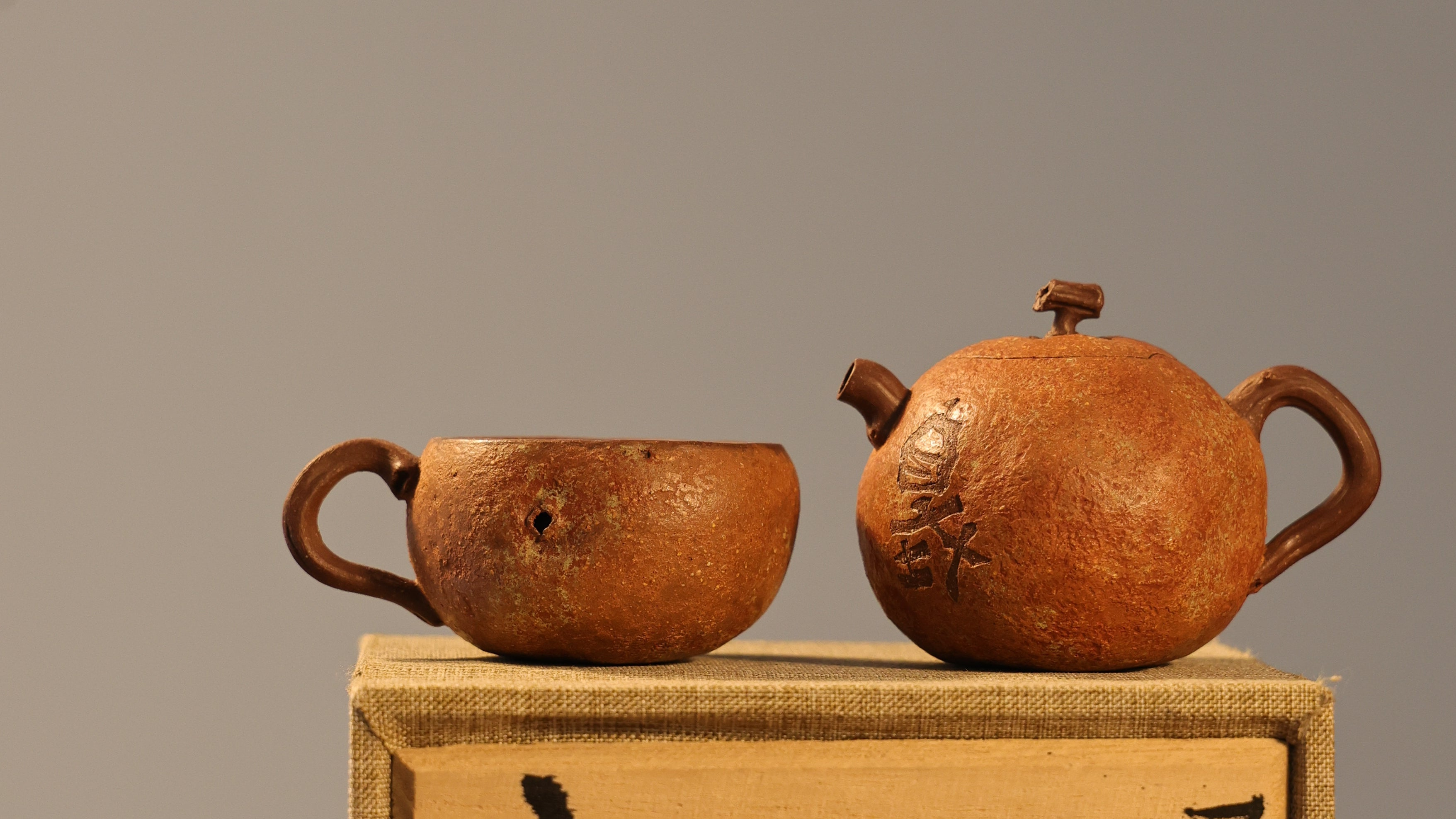
Why do seasoned drinkers reserve their best Purple Clay Teapot for rare teas?
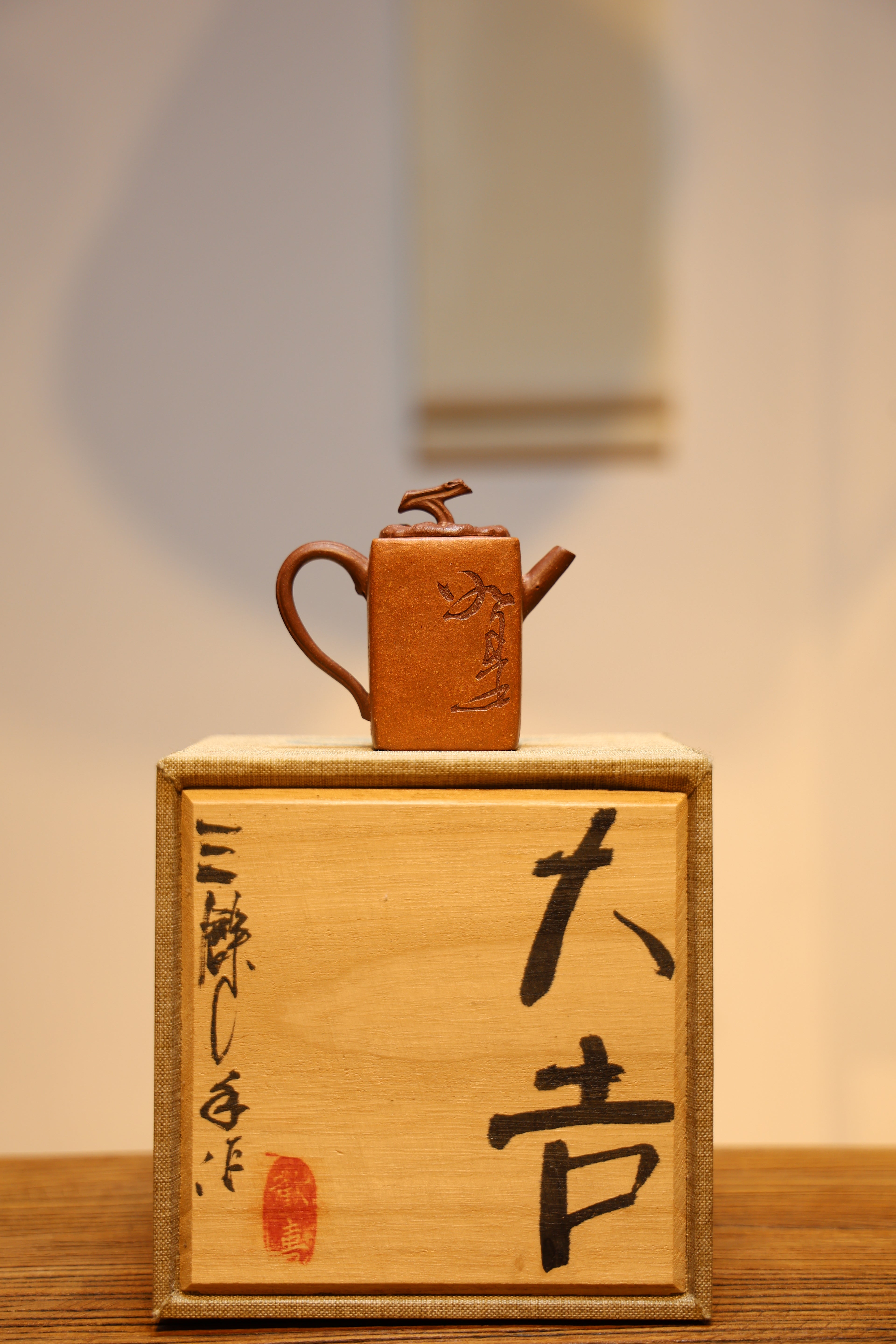
Throughout enduring chronicles,
During millennia, aficionados have been enthralled by the rare charm of Yixing Zisha carafes. Originating from the region of Yixing in the eastern province, these implements are renowned for their preeminent beauty, extraordinary clay, and built-in ability to elevate the note of tea. The clay's distinctive purple-red hue, combined with the skillful workmanship of Yixing's potters, creates objects that are at once functional productions and costly financial interests. Securing a Zisha teapot is more than just specific purchase; it's seizing a rich ethnic heritage.
Grasping Yixing Teapots: Chronicles, Classifications, and Importance
The Yixing teapots represent a rich background deeply intertwined with Chinese culture. Developing in the Yixing region of Jiangsu province, these clay vessels contain a heritage going back to the Ming Dynasty. Original examples were functional, but throughout centuries, Yixing teapot making evolved into an esteemed art form. The clay itself, known for its unique feature and ability to raise the flavor of the tea, endures a defining factor. Yixing teapots appear in various styles, broadly categorized by shape: Historic such as Zhuni (purple clay) and Bisheng, as well as exclusive designs. The cost of a Yixing teapot depends on Yixing Zisha Teapot several factors, including the potter’s acclaim, the age of the piece, the rarity of the clay, and its aesthetic beauty.- Heritage: Centuries ago
- Medium: Different forms
- Valuation Parameters: Artisan fame
Zisha Pot Expertise: Proficiency and Artisans
This creation of a original Zisha teapot is a complicated process, requiring generations of mastery. Expert artisans meticulously choose the prime Zisha clay, a specialized earth found only in specific regions of China. Traditional techniques, often bestowed through families, involve careful shaping, sophisticated carving, and gradual firing in ancient incinerators. The concluding teapot isn't merely a vessel; it's a testament to innovative vision and the profound connection between the artisan and their legacy. Each creation showcases the personal touch of the designer, resulting in a truly unique work of creation.
Chinese Earthenware: Exploring the Extensive Traditions of the Yixing Locality
This Yixing, found in Jiangsu Province, is worldwide renowned for its exceptional culinary pots – a tangible representation of centuries of Chinese heritage. These aren't merely vessels for manufacturing tea; they are intricate works of skill, often reflecting intellectual ideals. A unique purple clay, known as Zisha, possesses distinctive qualities: the clay dense, porous, and imparts a subtle note to the tea.
- Diverse families have honed the techniques of Yixing vessel making, passing down time-honored methods through successions.
- Aficionados prize these pieces for their loveliness and rareness.
- Every container tells a account, connecting the partaker to a rich legacy.
Engaging in Yixing Zisha: Essential Tips
While evaluating obtaining Yixing Zisha containers, a range of factors warrant careful consideration. Primarily, the component's complexion is significant; authentic Zisha usually exhibits a characteristic rust-colored nuance. What's more, review the execution; exacting traits and a clean veneer indicate skillful workmanship. Lastly, research the maker’s background; esteemed names bring increased values and often provide a better investment.
How to Brew Premium Tea with Zisha Clay
Infusing sumptuous tea with a Zisha urn is more beyond a simple procedure; it's an discipline. Zisha clay, celebrated for its unique mineral composition, imparts a elegant character to the crafted tea that’s often unavailable with other wares. The optimal water warmth is vital; typically, moderated than what's used for black tea, to sustain the tea's odor and character. Consider attentively the tea variety; delicate green teas or aged pu-erhs advance from the Zisha’s ability to calm their original edge. It’s necessary to warm the teapot earlier than brewing, and to shun over-steeping. Mastering this method leads to a genuinely exceptional tea phenomenon.
- Appreciating Zisha Clay
- Water Warmth & Kind of Tea
- Significance of Pre-heating
Enhancing Your Celebrated Pot
To preserve the durability of your precious Yixing ceramic pot, steady maintenance is fundamentally important. Forgo using chemical cleaners; instead, delicately bathe it with tepid hydrous medium. Shun drastic variations; don't deposit the clay pot directly onto a thermally active burner. Periodically, strengthen the kettle by processing it with premium specialty beverage, as this promotes to build its profile and defends the exclusive traits of the element.
Concerning Dirt to Vessel: The Development of a Zisha Utensil
A creation of a Zisha teapot is a intriguing approach, a demonstration to both the planet's bounty and the skill of the craftsman. It opens with the meticulous extraction of the exclusive clay from the crimson Zisha mines close to Yixing. This pure material, known for its exquisite features, is then methodically clarified and shaped for the preliminary forming. The bottle’s form is masterfully assembled using a combination of classical sculpting practices, often incorporating complex motifs. Following aging, the vessel undergoes a essential first firing, accompanied by a varnishing stage, which might involve countless layers of pure Zisha coatings. Finally, a second, and sometimes third, firing at extreme temperatures finishes the product, revealing its resolved beauty and exceptional characteristics - a genuine masterpiece, prepared to adorn a tea practice.
{Yixing Teapots: A Reflection of a Customary Practice and Appreciation
The Yixing region teapots, originating from the celebrated Yixing region of Jiangsu province, are far more than mere receptacles for brewing elixirs; they represent a meaningful aspect of Chinese civilization. Constructed from distinctive purple clay – zisha – these special teapots are highly admired for their ability to refine the flavor of the tea and, crucially, for their splendor. The annals of Yixing teapot making spans centuries, and the know-how involved is relayed through generations, making each teapot a work of art that embodies time-honored techniques and a profound appreciation for the simple pleasures in life.