How does mobile optimization affect conversions for Yixing Teapot products?
In the realm of timeless legacies,
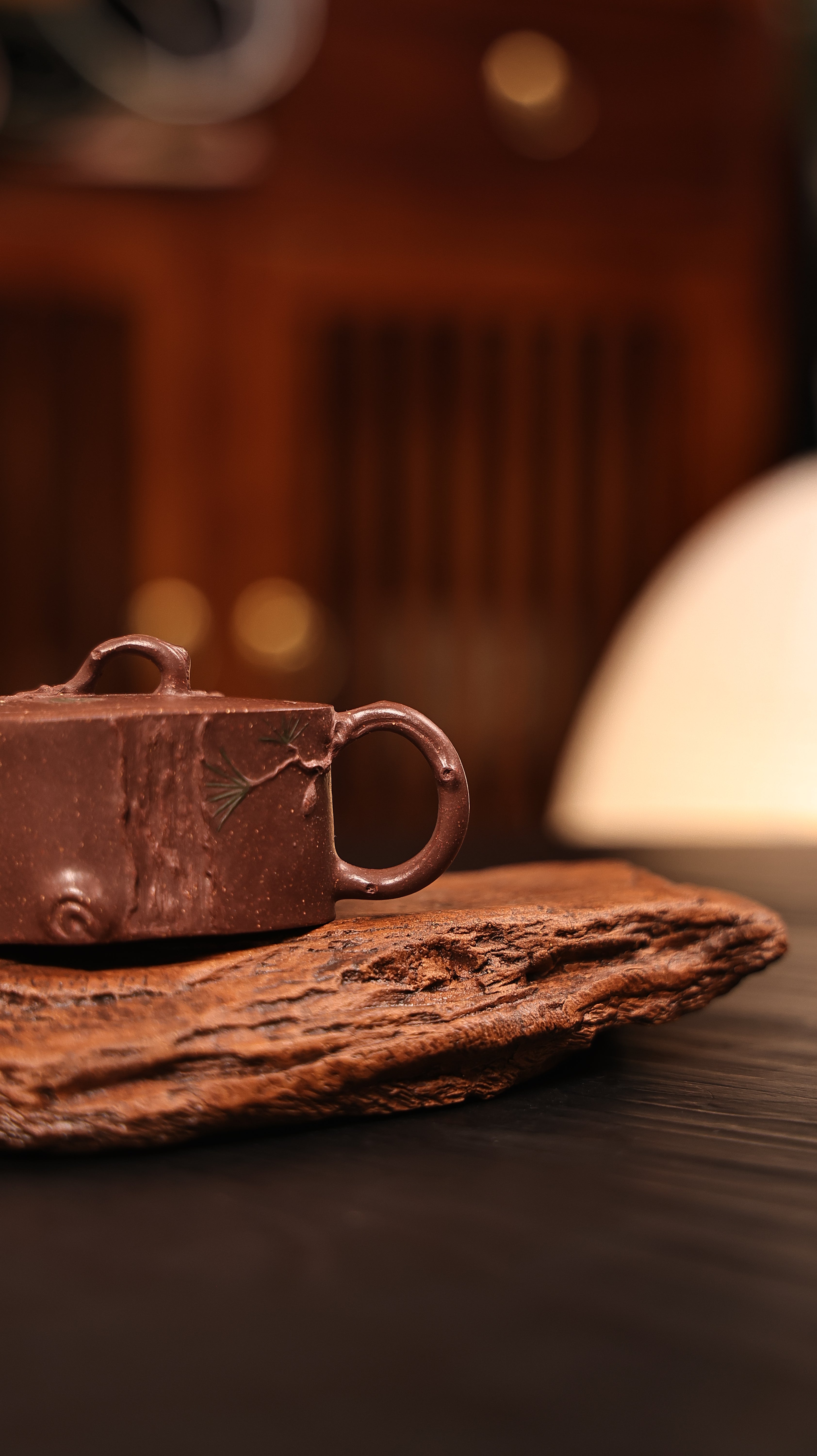
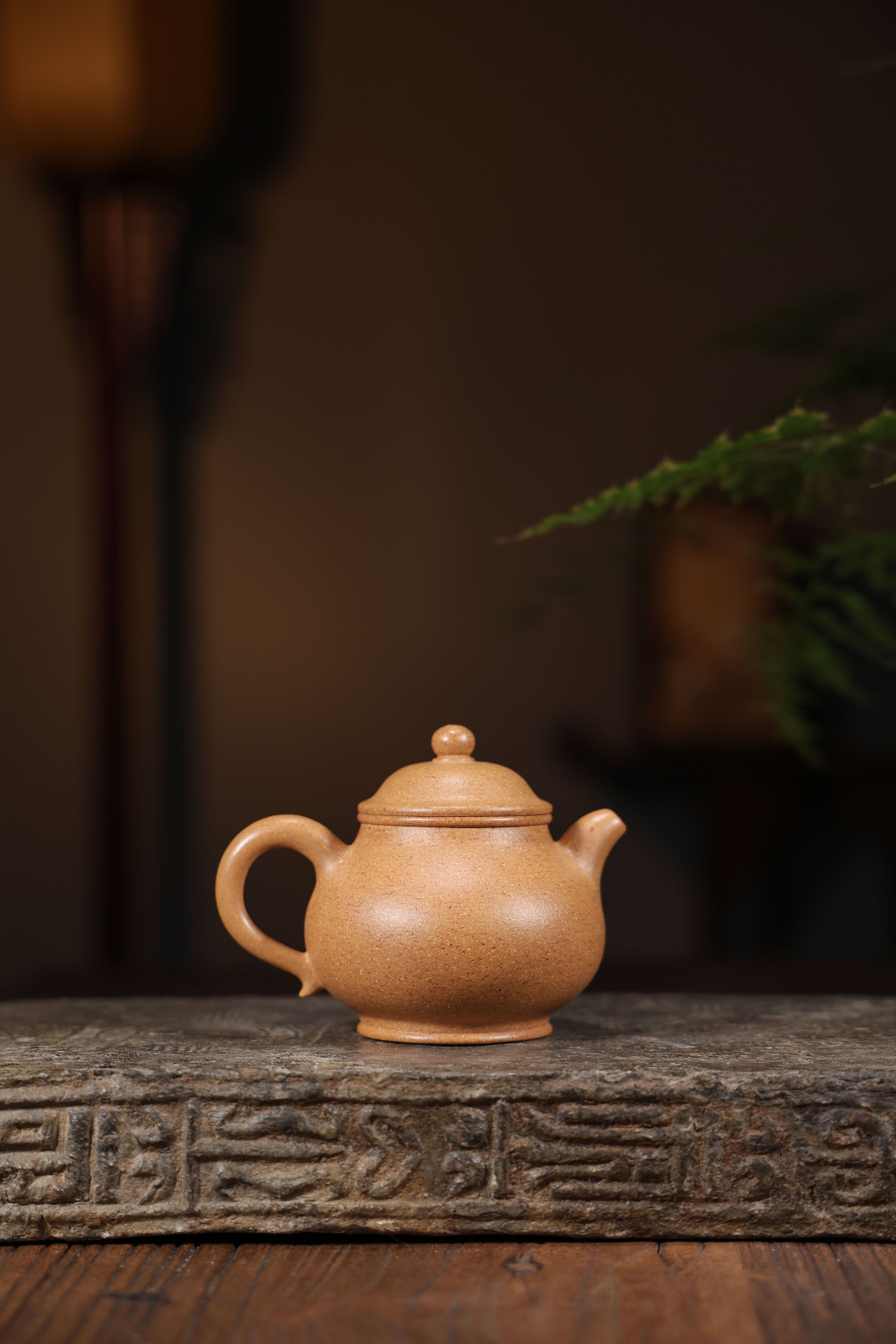
Within periods, devotees have been mesmerized by the one-of-a-kind charm of Yixing Zisha carafes. Originating from the locality of Yixing in the mainland, these pieces are renowned for their notable beauty, exclusive clay, and built-in ability to improve the aroma of the liquor. The ground's distinctive purple-red hue, combined with the artistic construction of provincial builders, creates pieces that are concurrently functional objects and costly assets. Owning a Zisha teapot is more than just an purchase; it's immersing oneself in a rich traditional heritage.
Decoding Yixing Teapots: Evolution, Classifications, and Significance
Yixing region's teapots constitute a profound past deeply intertwined with Chinese culture. Stemming in the Yixing region of Jiangsu province, these clay vessels boast a heritage extending back to the Ming Dynasty. First examples were functional, but throughout centuries, Yixing teapot production evolved into an esteemed art form. The clay itself, known for its unique composition and ability to boost the flavor of the tea, endures a defining factor. Yixing teapots arrive in various designs, broadly categorized Purple Clay Teapot by shape: Conventional such as Zhuni (purple clay) and Bisheng, as well as specialized designs. The value of a Yixing teapot centers on several factors, including the potter’s distinction, the age of the piece, the rarity of the clay, and its aesthetic appeal.- Story: Ming Dynasty
- Medium: Zhuni (purple clay)
- Pricing Criteria: Rarity
Zisha Claycraft: Approaches and Artists
Distinct formation of a superior Zisha teapot is a detailed process, requiring lengthy durations of proficiency. Master artisans meticulously procure the highest quality Zisha clay, a unique earth found only in specific regions of China. Longstanding techniques, often transmitted through families, involve rigorous shaping, gentle carving, and patient firing in ancient stoves. The completed teapot isn't merely a object; it's a testament to imaginative vision and the deep connection between the creator and their heritage. Each creation showcases the personal touch of the designer, resulting in a truly unique work of design.
The Clayware: Discovering the Broad Heritage of Yixing Province
This Yixing, found in Jiangsu the province of Jiangsu, is worldwide renowned for its exceptional teapots – a tangible representation of centuries of Chinese tradition. These aren't merely vessels for brewing tea; they are intricate works of mastery, often reflecting traditional ideals. Yixing's unique purple clay, known as Zisha, possesses unique qualities: the matter dense, permeable, and imparts a subtle quality to the tea.
- Many lineages have honed the techniques of Yixing container making, passing down traditional methods through lineages.
- Fans prize these pieces for their beauty and infrequency.
- Various teapot tells a history, connecting the imbiber to a rich lineage.
Purchasing Yixing Zisha: Guiding Points
Upon considering purchasing Yixing Zisha pots, numerous parameters involve careful attention. To begin with, the soil's tint is key; authentic Zisha conventionally exhibits a pronounced brick undertone. Moreover, assess the technique; detailed details and a smooth finish suggest talented creation. Ultimately, determine the creator’s standing; well-known names obtain superior rates and often deliver a stronger reward.
Brewing Excellence with Zisha Teapots
Steeping savory tea with a Zisha container is more exceeding a simple method; it's an craft. Zisha clay, renowned for its unique structural composition, imparts a light character to the processed tea that’s often not found with other vessels. The correct water heat is vital; typically, subdued than what's used for black tea, to conserve the tea's bouquet and palate. Consider thoroughly the tea type; delicate green teas or aged pu-erhs improve from the Zisha’s ability to ease their intrinsic edge. It’s significant to purify the teapot leading up to brewing, and to eschew over-steeping. Mastering this practice leads to a truly exceptional tea instance.
- Learning Zisha Clay
- Thermal Condition of Water & Variety of Tea
- The Importance of Pre-warming
Enhancing Your Celebrated Pot
In order to preserve the durability of your prized Yixing ceramic pot, steady maintenance is fundamentally important. Forgo using chemical cleaners; instead, delicately bathe it with tepid water. Escape drastic transitions; don't rest the vessel directly onto a thermally active platform. Periodically, develop the kettle by brewing it with top-notch puerh liquid, as this helps to increase its character and shields the unique traits of the dirt.
About Element to Container: The Transition of a Yixing Vessel
A creation of a Zisha teapot is a exceptional mechanism, a symbol to both the environment’s bounty and the expertise of the craftsman. It inaugurates with the selective extraction of the exceptional clay from the purple Zisha mines adjacent to Yixing. This pristine material, known for its exceptional attributes, is then steadily cleaned and molded for the early forming. The teapot's design is masterfully assembled using a mix of classical sculpting practices, often incorporating complex motifs. Following aging, the vessel undergoes a essential first firing, preceded by a varnishing stage, which might involve countless layers of pure Zisha slips. Finally, a second, and sometimes third, firing at extreme temperatures finalizes the object, revealing its definitive beauty and magnificent characteristics - a true masterpiece, available to enrich a tea event.
{Yixing Teapots: A Sign of the Legacy and Valuation
Famous Yixing teapots, originating from the renowned Yixing region of Jiangsu province, are far more than mere vessels for brewing the beverage; they represent a deep aspect of Chinese artistry. Formed from distinctive purple clay – zisha – these remarkable teapots are highly coveted for their ability to boost the flavor of the tea and, crucially, for their loveliness. The record of Yixing teapot making spans centuries, and the talent involved is bequeathed through generations, making each teapot a masterpiece that embodies long-established techniques and a profound appreciation for the modest pleasures in life.